Tokyo Temples and Shrines: A Complete Guide
Sacred Spaces in the World's Biggest City
Tokyo blends neon-lit modernity with centuries-old spiritual tradition. Temples (Buddhist) and shrines (Shinto) are woven into the city fabric, offering pockets of calm between the skyscrapers. Most are free to enter, making them perfect for budget travelers.
Plan your sightseeing budget with the Trip Cost Calculator.
Top Temples and Shrines
Senso-ji Temple (Asakusa)
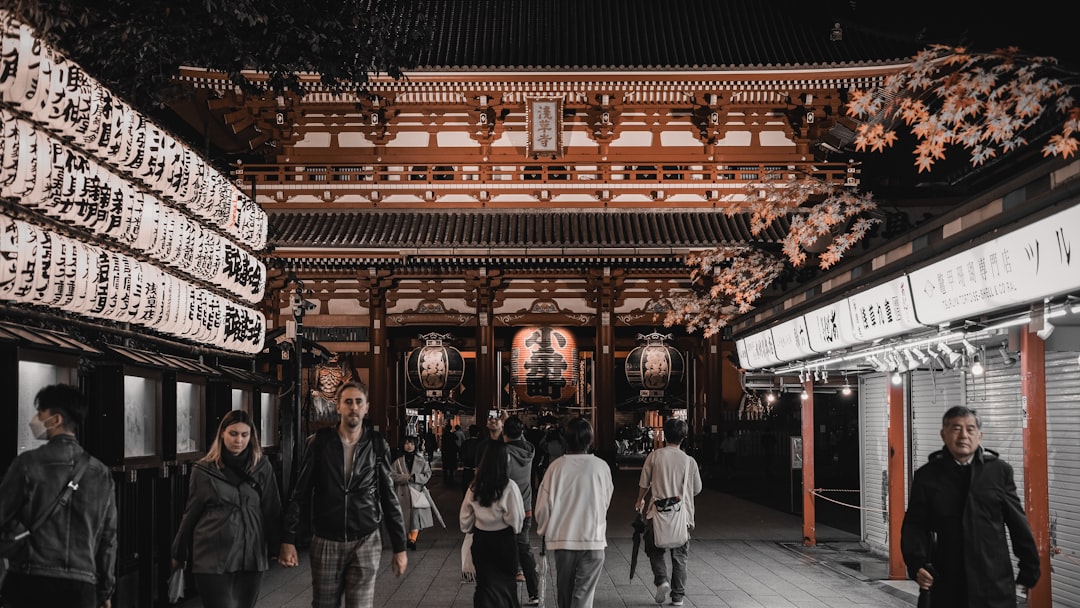
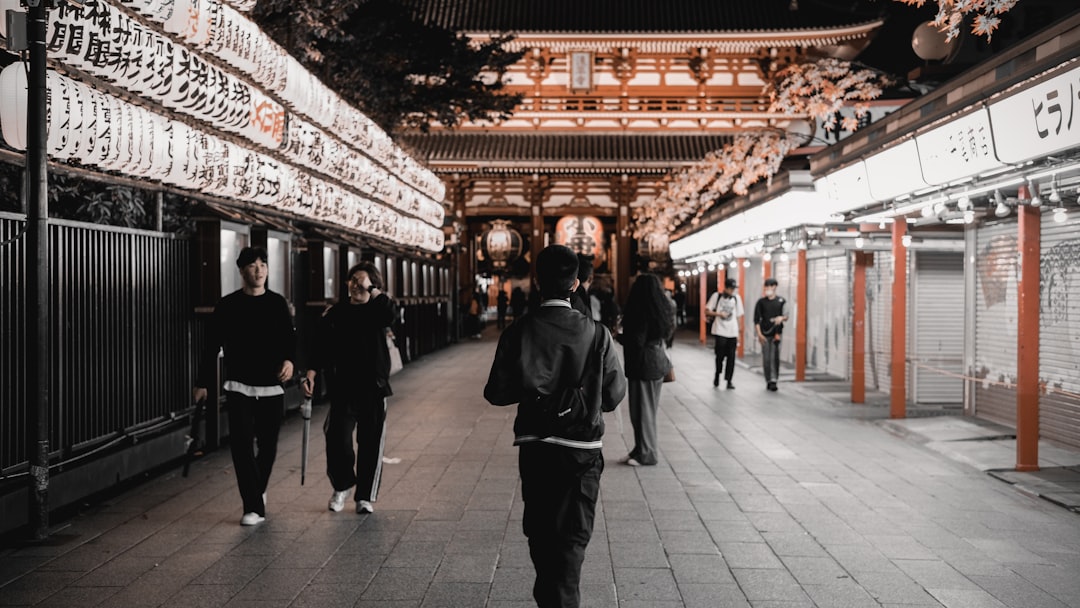
Tokyo's oldest temple, founded in 645 AD, draws millions of visitors each year. Enter through the iconic Kaminarimon (Thunder Gate) with its massive red lantern, then stroll down Nakamise shopping street — a 250-meter stretch of traditional snack and souvenir stalls. The main hall and grounds are free to explore. Come early morning or after dark when the crowds thin and the lanterns glow.
Meiji Shrine (Harajuku)
Dedicated to Emperor Meiji and Empress Shoken, this Shinto shrine sits inside a 170-acre forested park right next to Harajuku's fashion district. Walking through the towering torii gate and along the gravel path feels like leaving the city entirely. Entry is free. If you're lucky, you might catch a traditional wedding procession on weekends.
Zojo-ji Temple
A grand Buddhist temple at the foot of Tokyo Tower. The contrast of the ancient wooden gate against the modern tower behind it is one of Tokyo's most photographed views. Free entry. The rows of small jizo statues decorated with colorful pinwheels are quietly moving.
Nezu Shrine
One of Tokyo's hidden gems, Nezu Shrine is famous for its tunnel of thousands of vermillion torii gates — similar to Kyoto's Fushimi Inari but without the crowds. The shrine grounds are free; the torii gate path through the azalea garden may charge ¥300–500 during the spring festival (April–May).
Temple and Shrine Etiquette
Visiting sacred sites in Japan comes with a few customs worth knowing:
- Bow at torii gates — A slight bow before passing through the torii gate shows respect. Walk to the side, not down the center (that's the gods' path).
- Wash your hands at the temizuya — Use the bamboo ladle to rinse your left hand, then right, then pour water into your cupped left hand to rinse your mouth. Don't drink directly from the ladle.
- Don't point at statues — It's considered disrespectful. Admire from a respectful distance.
- Photography — Usually fine outdoors, but check for signs before photographing inside halls.
- Dress code — No strict requirements like some Southeast Asian temples, but modest clothing is appreciated.
Practical Tips
Most temples and shrines are free. Where inner gardens or special exhibitions charge admission, it's typically ¥300–500. Combine Senso-ji with a morning walk along the Sumida River, then head to Meiji Shrine in the afternoon via the Ginza Line. Both visits together make a full but relaxed day of sightseeing.